
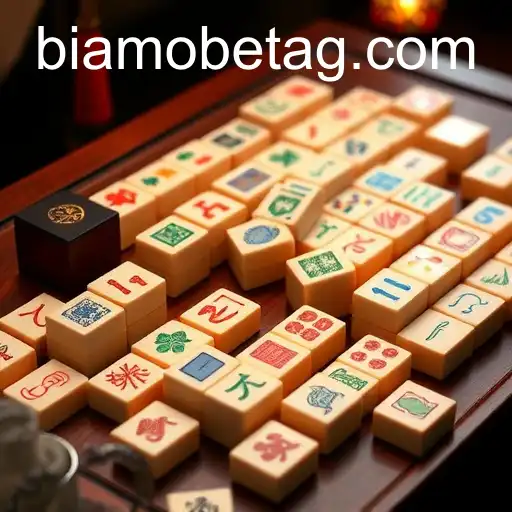
The Fascinating World of Mahjong: A Deep Dive into Traditions and Strategies
Mahjong, a game with roots deep in ancient Chinese culture, has captivated players worldwide with its intricate strategies and beautiful tile designs. Spanning centuries, this game of skill and strategy offers a glimpse into the historical traditions of East Asia, while also evolving to embrace modern technological advancements such as online gaming.
Understanding the Origins of Mahjong
Tracing back to the Qing Dynasty, Mahjong is believed to have been derived from an older card game. Legend has it that Confucius himself, the renowned philosopher, was instrumental in its creation, as evidenced by the game's deep connections to Confucian virtues and teachings. The game’s name, 'Mahjong,' refers to sparrows in Chinese, inspired by the sound made by shuffling tiles.
The game's spread began in the early 20th century, making its way to Western countries, especially the United States, where it gained immense popularity during the 1920s. This cross-cultural journey added various rules and interpretations, adapting to local tastes but maintaining the core elements that define Mahjong.
The Intricacies of Mahjong Gameplay
A standard Mahjong set includes 144 tiles, often crafted from bamboo or bone. These are divided into suits such as Characters, Bamboos, and Dots, along with honor tiles like Winds and Dragons. The beauty of Mahjong lies in its ability to be both a simple social game or a highly strategic competition.
In a typical four-player game, players draw and discard tiles, with the objective of forming complete tile sets called 'Melds,' along with a pair, to achieve 'Mahjong.' The game is heavily reliant on memory and tactical decision-making, challenging players to anticipate opponents’ moves while strategically crafting their own winning hand.
The Cultural Significance and Social Influence of Mahjong
Mahjong is more than just a game; it is a cultural symbol ubiquitous in Chinese families and gatherings. Traditionally played during festivals and holidays, it serves as a bonding activity across generations, with each move steeped in tradition and familial heritage.
In modern societies, Mahjong has maintained its status. It's played in Mahjong parlors frequented by enthusiasts looking to test their skills. These social hubs are a testament to the game’s enduring appeal, illustrating how Mahjong continues to thrive as a crucial part of cultural identity and social interaction.
Modern Adaptations: Mahjong in the Digital Age
With technology’s rapid evolution, the classic game of Mahjong has found a new home online. Platforms like zro1.bet have revolutionized how players engage with the game, offering digital versions that maintain the spirit and strategy of traditional Mahjong while introducing innovative twists.
Online Mahjong has opened the doors to a global community, enabling enthusiasts to participate in tournaments, hone their skills against international opponents, and experience diverse rule sets. The digital landscape has democratized Mahjong, reaching audiences that might not have access to physical sets or local playing groups.
Strategies for Mastering Mahjong
To excel at Mahjong, players must develop a blend of memory skills, strategic foresight, and psychological intuition. Strategic elements such as understanding probability, monitoring opponent discards, and managing one’s own tile draws are crucial to secure a winning hand.
One fundamental technique is to focus on building flexible hands, allowing for adjustments based on tile draws and opponent movements. Equally important is the need for psychological insight, where predicting opponents’ intentions and bluffing become key components of gameplay.
The Enduring Legacy of Mahjong
Despite its ancient origins, Mahjong remains a dynamic and evolving game, continuously adapting to the modern world while preserving its historical essence. Whether played on a family dining table or through a platform like zro1.bet, Mahjong's appeal transcends cultural and generational gaps.
As it progresses into the future, Mahjong will undoubtedly continue to captivate and challenge new generations of players, remaining a beloved pastime that celebrates both strategy and family traditions. Its ability to adapt and thrive reflects its resilience and universal appeal, a timeless game that continues to resonate across the globe.